The Hydration Sandwich Trend Will Save Your Dry Lips


Brittany Leitner
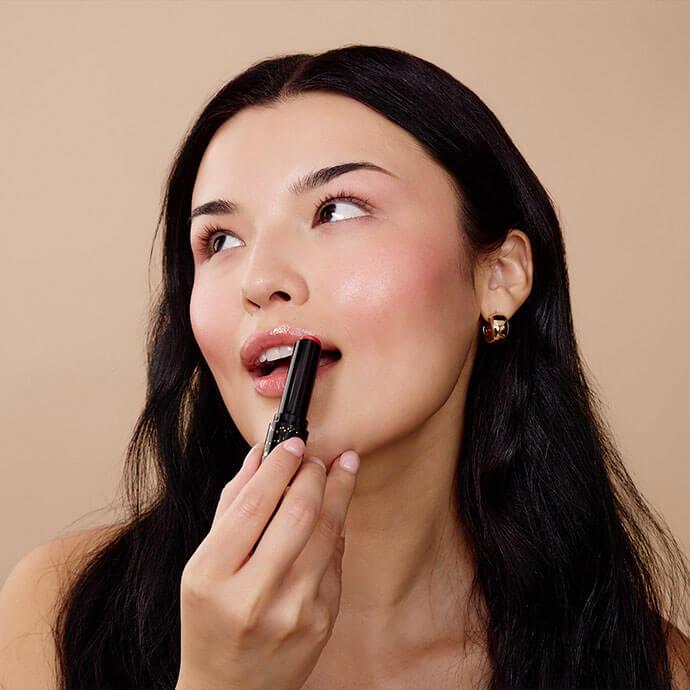
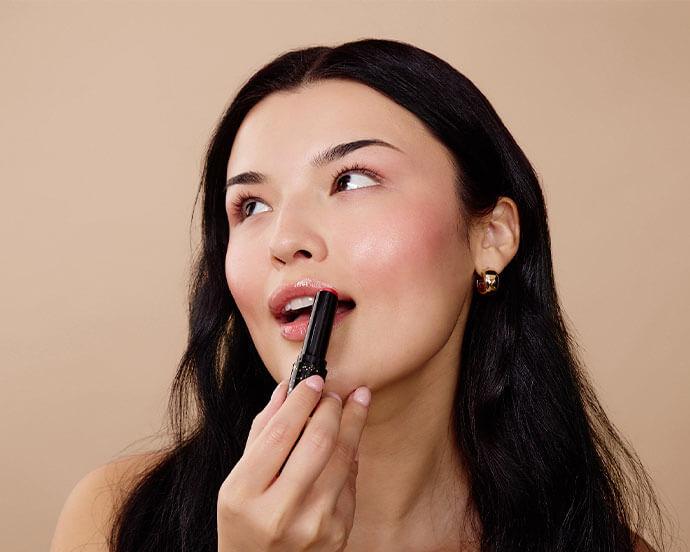
Dry, cracked lips can sneak up on you at any time—not just when the weather changes. Whether it’s dehydration, over-exfoliating, or just everyday exposure, lips tend to show signs of stress faster than the rest of your skin. And since the skin on your lips is thinner and lacks oil glands, it needs a little extra care to stay smooth, soft, and comfortable year-round.
If your lips are feeling tight, flaky, or perpetually in need of balm, you’re not alone. The good news? There’s a simple, dermatologist- and esthetician-approved method that can make a noticeable difference: lip hydration sandwiching. We tapped esthetician and skincare expert Derek Davenport to break down how this easy layering technique helps lock in moisture and transform the look and feel of your lips—no matter the season.
It's about glam time you treated yourself.
Join IPSY
MEET THE EXPERT
Derek Davenport is a Cosmedix Advising Aesthetician and owner of ReDavfined Aesthetics.
What Is the Lip Hydration Sandwich?
You might have heard of skincare sandwiching, where you layer moisturizers and an occlusive product over damp skin to seal in hydration, and a lip sandwiching method is very similar.
“A lip hydration sandwich is the process of deeply hydrating the lips and protecting them by layering products in a specific order,” explains Davenport. “This is very similar to how we layer skincare products but in this case we are doing it for the lips. It follows three steps: hydrate, treat, and seal.” So yes, it’s exactly like moisture sandwiching, just concentrated on the lips.
Why It Works
The reason this skincare technique works is because of “how we are layering the products starting with hydration first and sealing it all in with an occlusive product,” explains Davenport. “Adding in an exfoliation before applying your humectants and occlusive products will also help to increase hydration and remove dry skin.”
The important thing to remember when hydration sandwiching is to start with damp lips and skin. This helps your lips absorb the product better to get full hydration benefits.
Step-by-Step Tutorial
Here’s how to lip sandwich if you’re a newbie.
1. Wet lips. Dampening the skin will help products absorb better.
2. Add a humectant first. “Humectants are designed to pull water into the skin, but they don’t seal,” explains Davenport. These formulas are typically lightweight and absorb quickly, making them ideal for the first layer in your lip hydration sandwich. For this step, we love the SUMMER FRIDAYS Dream Lip Oil, which delivers glossy hydration while helping soften and smooth the lips. Just remember: humectants need to be sealed in to keep hydration from escaping—which is where the next step comes in. This keeps Dream Lip Oil positioned as a hydrator (not a balm), feels organic, and aligns with how people actually use it.
3. Add an occlusive balm. What do we mean by this? “Occlusive balms trap moisture and prevent water loss,” explains Davenport. “They protect but may not necessarily add hydration.” This is the product that seals in the hydration that you applied in the previous step with a humectant product. Think products like AQUAPHOR or OUTSET’S Botanical Rescue Balm. We also love the PUR Cloud Balm that you can easily throw in your bag for re-application on the go.
4. Now you have successfully completed a lip hydration sandwich ritual.
What Ingredients to Look For
It can be difficult to know which product is a humectant and which is an occlusive balm, so looking for certain ingredients will make it a bit easier. Here’s what to look out for, according to Davenport.
“In a humectant, we want to look for ingredients like panthenol (b5), glycerin, hyaluronic acid and aloe,” he says.
In occlusive balms, “look for ingredients like petrolatum, shea butter, lanolin, and squalene,” says Davenport.
Humectants will draw water into the lips, which is what hyaluronic acid is most used for, whereas occlusive balms help seal and provide a layer of moisture barrier protection.
How to Layer With Lipstick
If you still want to wear your favorite lippie while hydration sandwiching (you’re speaking our language here!), Davenport has a few helpful tips:
If you’re going to be wearing lipstick, Davenport suggests skipping the dampening step and going in with the lipstick first. Then, apply the humectant, and then finish with an occlusive product. “This would be more for a high shine/gloss look for the lips,” he says. “If you let the lipstick set for a few minutes before applying the following products, you should reduce any risk of smearing.”
Final Thoughts
Hydration sandwiching is a great tool to keep in your lip care routine, especially as you notice lips becoming more dry and flakier than usual. It can be helpful to add an additional step of exfoliating the lips first before dampening and beginning your hydration sandwich journey. As always, make sure to check out the IPSY Shop for more product recommendations and all-weather skin saviors.
Liked this post? Share!
Related Stories
Skin
Did Hailey Bieber Just Start a Face Mask Trend With a Comb?
Published on Apr 6, 2026 • 2 min read
Skin
Milky Toners Are Everywhere—But Do They Actually Do Anything?
Published on Apr 6, 2026 • 3 min read


Skin
Are Med Spa Memberships the New Way Women Are Doing Injectables?
Published on Apr 3, 2026 • 5 min read
Skin
Rebound Hydration Is the Reset Your Skin Barrier Needs
Published on Mar 24, 2026 • 3 min read
Skin
Salmon DNA Is the Korean Skincare Innovation Changing the Anti-Aging Right Game
Published on Mar 24, 2026 • 6 min read


Skin
Is Stress-Care the New Self-Care?
Published on Mar 20, 2026 • 6 min read
Skin
I Taped My Mouth Shut to Sleep Better—Here’s What Happened
Published on Mar 19, 2026 • 5 min read


Skin
Everything You Need to Know About Lymphatic Drainage Massage—And How to DIY One
Published on Feb 24, 2026 • 4 min read
Beauty Picked Just for You
Get 5 products worth up to $70
Exclusive access to epic deals up to 80% off
Starting at just $15/month. Cancel anytime.